Here is a round up of all of the recommendations, inspired by the idea of providing insight into aspects of life with a disability/chronic illness, that we made for April…
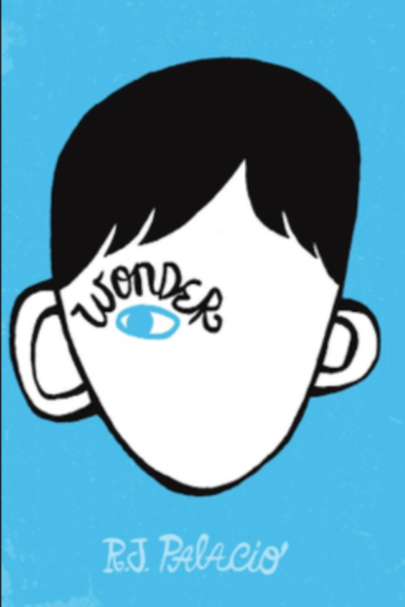
Week 1. Wonder
So what is it about?
Auggie is 13. He likes spaceships, science and lives with his mum, dad and sister. Auggie also has a facial abnormality That can make him stand out a bit. He has always been home-schooled however now, for the first time he is entering into mainstream school. The book follows his journey through a number of different perspectives and his struggles and his triumphs as he tries to fit it and make friends.
Have a think whilst you read…
- What could Jack- Will have done differently?
- Why do you think that Julian acted as he did?
- If you were in Auggie’s position what do you think would have been your worries?
- If you were in Auggie’s class what do you think you could have done to help him settle in?
Can you watch it as a film?
Yes, available on Netflix, DVD, amazon prime
Week 2. Crip Camp
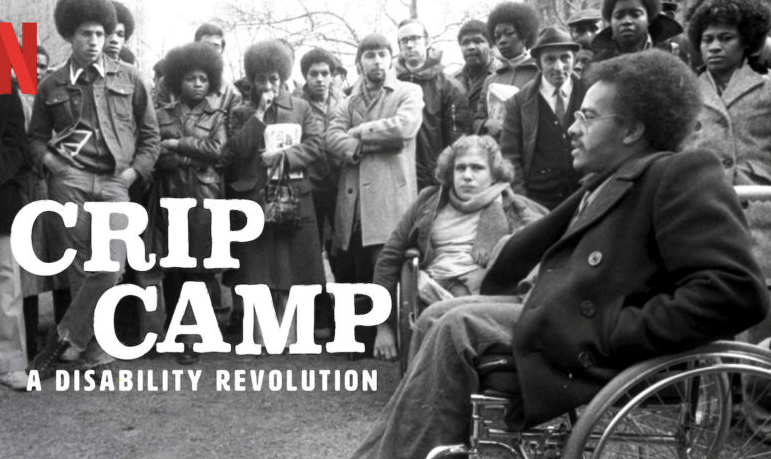
Watch the trailer here… https://youtu.be/XRrIs22plz0
So what is it about?
This documentary retells an incredible story. It follows a generation of disabled people who attend the Camp Jenned summer camp in the 1970’s when they were young, who go on to become disability rights activists. The first part of the film focuses on the experiences of being at camp, using footage from the time, and creation of a community, in which everyone was a valued member, something they had not experienced in wider society. Those involved reflect on how this was such a key formative experience in what was to come. The documentary then follows this group through to being the driving force of a civil rights movement that led to system change towards equality for disabled people.
We love Crip Camp because…
Firstly, just because it feels like a piece of history that you should already know, and the whole documentary feels like something everyone should watch to give an insight into the legacy of disabled activism, and the still ongoing fight for equality.
One bit that really stood out to me was Judy Heuman saying she is “sick of being grateful for disabled toilets”, which seemed to sum things up so well. Imagine being made to feel you needed to be “oh so” grateful that you had the option to go to the loo when out in public? Something able bodied people wouldn’t even consider. This feels all too relevant even now.
Another bit that stood out was being able to watch the footage of the 504 sit in, and hear people’s experiences of it. It was incredible. To see how inclusive their activism was by shifting their attitude to that of a community where they would have to develop a kind of interdependence and use their skills and differences to their advantages. Friendships between quadriplegic and blind people developed where the quadriplegics would read for the blind, and the blind turned their quadriplegic peers at night to prevent sores. No big deal, they just made it work. The Deaf amongst them also taught American Sign Language (ASL) to the sit in group, and when the phone lines were cut they were able to sign out the windows to communicate with the outside world instead. It was an incredible image of community and using different abilities to their advantage.
How can I learn more?
I am sure lots of you will be drawn in by this incredible story, and what to know more! As this is the documentary of real events, you can research all of the people, places, and key events mentioned in the film. We would recommend you give “504 sit in” or “Judy Heuman”, or anything else that caught your interest, a google to find out more. It is also worth thinking about the fact that this was the way events were playing out in America, so you could have a google and look into what the situation in the UK was.
Week 3. I am, I am, I am
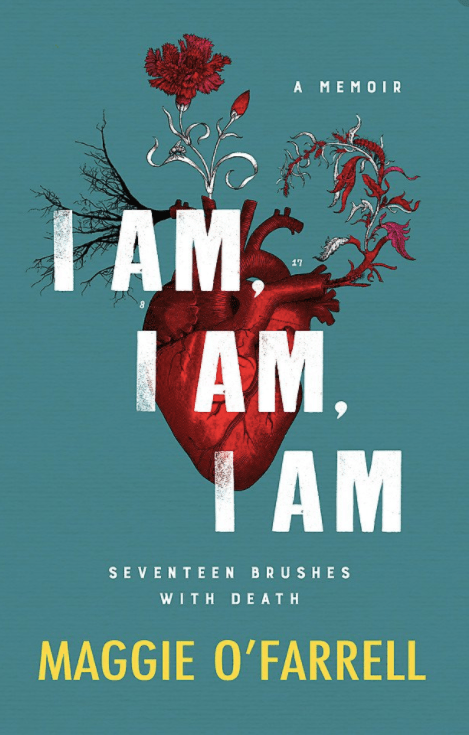
So what is it about?
The book is a memoir made up of a collection of personal essays of Maggie O’Farrells 17 brushes with death, that together build up a picture of her life. They range from a brush with someone who turns out to be a murderer, to medical problems. Each is titled by the part of her body that was involved with the near miss, and she uses them as a way into discussing what was going on in her life at that time and how she felt about it all. It is a beautiful, emotional, and life affirming read.
We love I am, I am, I am because…
Firstly, because the book is so well written! Its honest, moving, and insightful. Some of my favourite chapters include Cerebellum (1980), and Daughter (The Present Day). Each being named after the body part that put her life in danger in the story to follow. The chapter Cerebellum (1980) sees her talking about her childhood illness and recovery, feeling herself get ill, a long bout in hospital, and returning to the world. Aspects of it will ring true for anyone who has had similar experiences, and for those who haven’t it is really insightful. It is also interesting to hear how much she understood of what as happening, even as such a young child. The chapter Daughter (The Present Day) is about her daughter’s serious allergies, and how every day has the potential to be a near death experience for them. It is very moving and eye opening to hear about their experiences, and what it is like to live with allergies. In particular to hear of how difficult the attitudes of others could make things for them, and I think after reading this account no one will be that person anymore.
Have a think while you read…
- What would it have been like to have been in hospital for as long as she was before returning to school?
- As a friend of her daughters, how could you make things easier for her daughter?
Can you watch it as a film?
No, but there is an audiobook on Audible (which I would really recommend), and she has written about her daughters allergies in pieces for the guardian.
Week 4. Ehlers-Danlos Syndrome: My Diagnosis Journey- Annie Elainey
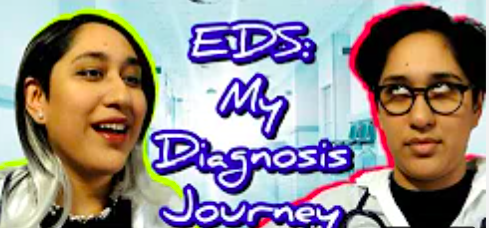
Youtube Video, you can watch it here… https://www.youtube.com/watch?v=ot1HFF7QWbQ&list=PLzbLZiJEtlO6r3nOzeLOFvcIrPVy9V05P&index=10&t=0s
What is it about?
All this month we have been talking about diagnosis experiences, and in this video youtuber Annie Elainey shares her experience of being diagnosed with Ehlers-Danlos Syndrome (EDS). It was a long, difficult process, with her beginning to actively seek a diagnosis at 23, but being repeatedly dismissed and not listened to, leaving her needing to self advocate and fight for her diagnosis, which she finally received age 26. As she looks back though it seems clear to her that a lot of the symptoms of her EDS had been there since childhood, and had been dismissed. She reflects on the toll this took on both her mental health and physical health; reiterating the importance of listening to people. Especially for doctors to listen, because so many times she was dismissed for being “too big, too brown, or too young”.
Can I watch more?
Absolutely! Annie Elainey has a library of incredible videos, where she talks about EDS, intersectionality, mental health, activism, abelism. All things disability and chronic illness from a lived experience perspective, and also how being a queer women of colour intersects with this. She also has social media platforms in which she is really active in sharing her day to day life with EDS and her takes on the what is happening in the world. She is on Instagram and twitter as @annieelainey .
Our April recommendations have come from Beth Dillon and Ally Lloyd, and we would love to hear what you think of them, and if you have any recommendations to we would love to hear them!

 The LUNA Project Blog